
Volkswagen Rough Idle or Power Loss? Diagnose PCV, Intake and Boost Leaks First
QUICK ANSWER
Rough idle, reduced power, hissing noises and inconsistent boost do not automatically mean that one specific Volkswagen part has failed. Begin with fault-code data and a visual inspection, then check the PCV circuit, intake connections and boost path for leaks. Confirm the failed component before ordering.
START WITH THE CUSTOMER COMPLAINT
A useful diagnosis begins with when the problem happens. Note whether the engine is cold or warm, idling or accelerating, and whether a warning light is present. A symptom that appears only under boost points the workshop toward a different test path than a fault that appears only at idle.
- Rough or unstable idle
- Hissing or whistling from the engine bay
- Reduced acceleration or inconsistent boost
- Oil residue around ventilation or intake connections
- Check-engine warning with airflow, mixture or pressure-related faults
These observations narrow the inspection area, but they are not proof that a PCV valve, hose or turbo pipe needs replacement.
CHECK THE PCV AND CRANKCASE VENTILATION PATH
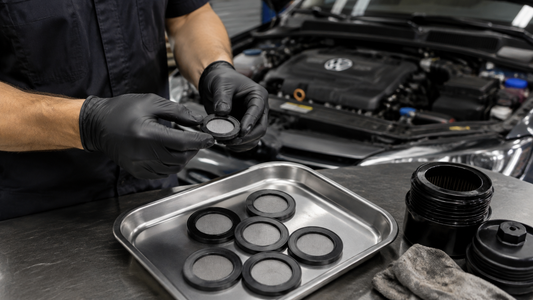
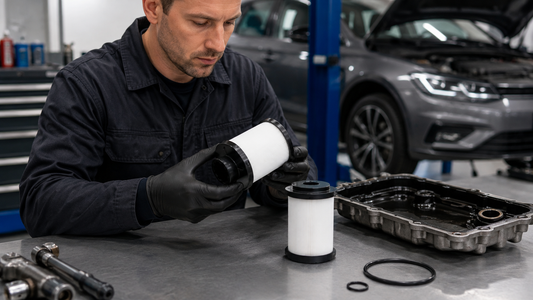
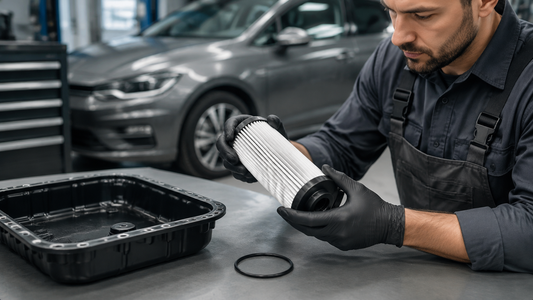
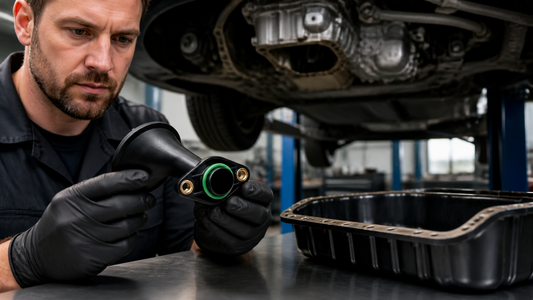
The crankcase ventilation system controls the movement of crankcase gases into the intake path. A damaged valve, diaphragm, seal or hose can introduce unintended air or disturb pressure control. Inspect the complete circuit instead of replacing the first visible component.
- Check valve housings and connected hoses for cracks.
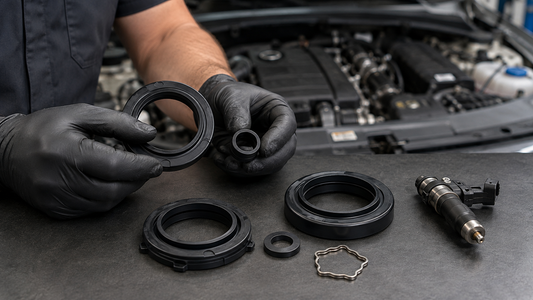
- Inspect seals and joints for oil contamination or poor seating.
- Listen for a localized whistle or hiss.
- Use appropriate workshop procedures to confirm unintended air leakage.
CHECK THE INTAKE AND BOOST PATH
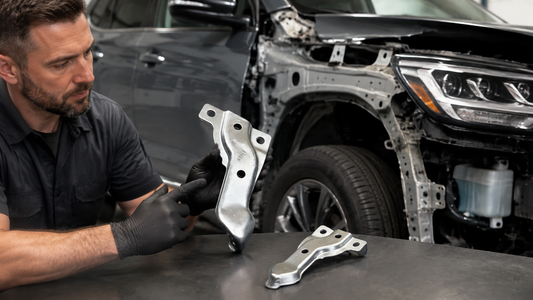
On turbocharged applications, a loose clamp, damaged O-ring, split hose or cracked charge pipe can produce power-loss symptoms that overlap with PCV faults. Inspect from the air intake through the turbocharger, charge pipes and intercooler connections according to the vehicle layout.
A workshop smoke test or pressure test can help locate a leak when performed with the correct equipment and vehicle-specific procedure. Do not apply uncontrolled pressure to the system.
USE SCAN DATA BEFORE BUYING PARTS
Read stored and pending fault codes before clearing them. Review relevant operating data and compare the result with the physical inspection. Misfire, fuel-trim, airflow and boost-pressure information can help separate an ignition problem from an air leak or control fault.
Replacing parts without recording the original evidence makes repeat diagnosis harder and can leave the actual fault unresolved.
WHEN REPLACEMENT IS JUSTIFIED
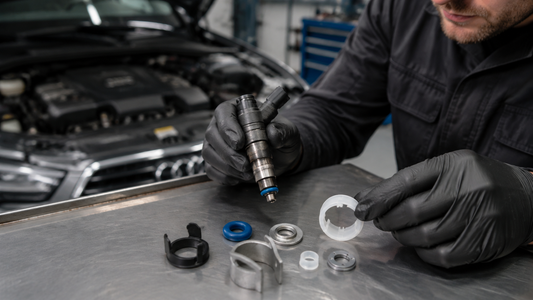
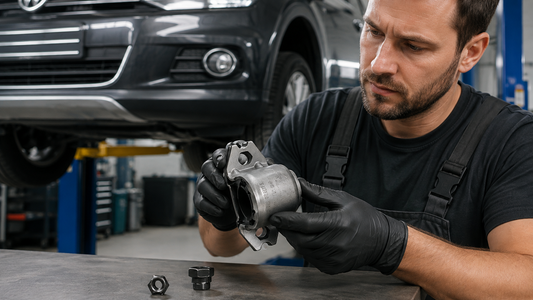
Replacement becomes reasonable when inspection or testing confirms physical damage, leakage, failed valve operation or an incorrect connection. Match the removed component by every available OE number, connection type, shape and vehicle information.
Related hoses, seals, clips and mounting points should be inspected at the same time. A new valve connected to a split hose will not solve the complete problem.
VIN CHECK
Confirm fitment using OE number and VIN before ordering.
For fitment questions, share the OEM part number, VIN number, or vehicle information with our team before ordering.
FIND THE CORRECT REPAIR PART
Partly Works organizes Volkswagen Group replacement parts around OE references and repair applications. Use the OE number from the removed part whenever possible, then compare the product images and connections before purchase.
Search Partly Works replacement parts by OE number.
WORKSHOP AND BULK ORDERS
Repair shops and distributors can send an OE list together with vehicle information for fitment review and bulk-order support. This reduces repeated searching and helps keep workshop purchasing tied to the actual repair requirement.
Previous
How to Choose Volkswagen Replacement Parts by OE Number and VIN
Next
05E145673G 05E145673K Turbo Boost Pipe: Diagnose Charge-Air Or Boost Leak Before Replacing