Why choose an IATF 16949 certified OEM-style replacement car parts?
When a car needs repairs, people in the U.S. look for parts that fit perfectly. They want parts that feel like they were made for the car, not like a quick fix. That's why IATF 16949 certified parts are important for steady performance and fewer repairs.

This article explores OEM-style parts, IATF 16949 certified auto parts, and their value. We aim for reliable car parts you can count on, thanks to a strict quality system. This is good for shops, supporting quality repairs and protecting your reputation.
Partly Works has over 20 years of experience in making precise car parts. They have a modern facility that ensures consistent quality. Trusted by over 50 countries, they make parts that restore your car's function with confidence. This leads to repairs that are affordable and last long.
What IATF 16949 certification really means for automotive parts quality
When a part is IATF 16949 certified, it shows a strict quality management system. This system is designed for the real needs of car production. It ensures parts are consistent from start to finish.

The standard started in June 1999 as ISO/TS 16949:1999. In October 2016, it was updated to IATF 16949:2016. This change was to meet today's higher standards for traceability and control.
Core goal: continual improvement, defect prevention, and reducing variation and waste
IATF 16949 focuses on continual improvement and tighter control. The main goal is to prevent defects, not just find them later.
To reduce variation and waste, it uses core tools. These tools show if processes are stable and capable:
- APQP to plan quality into launches and changes
- PPAP to confirm readiness before full production
- FMEA to spot failure risks early and reduce them
- MSA to verify measurement systems are trustworthy
- SPC to monitor variation and hold the process on target
Applies across the automotive supply chain, including production and service parts
This framework is widely used because it fits the automotive supply chain. It applies to all parts, from sub-tier suppliers to final assembly.
The scope includes design, production, and installation. It covers various vehicle markets, like cars, trucks, buses, and motorcycles.
Why certification is site-specific and tied to real value-added manufacturing locations
Certification is given to specific sites where real manufacturing happens. This includes assembly, heat treatment, welding, and painting.
Remote support locations may be audited too. But they can't be certified alone without a qualifying manufacturing site.
Also, a company may exclude product design if it doesn't own the part specs. But manufacturing process design is essential for consistent quality.
OEM-style replacement components,IATF 16949 certified auto parts
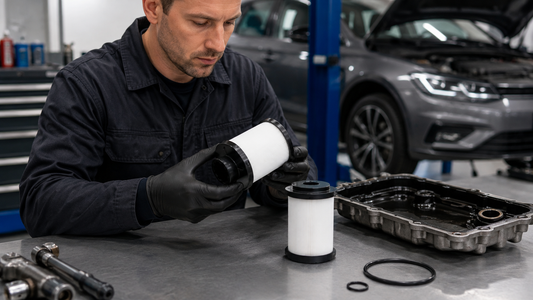
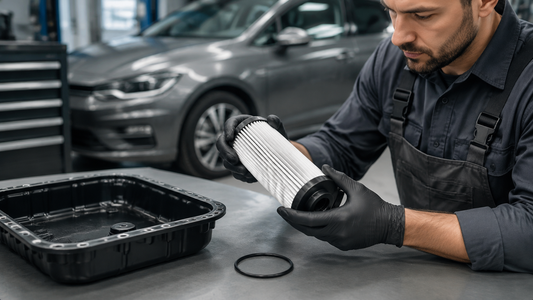
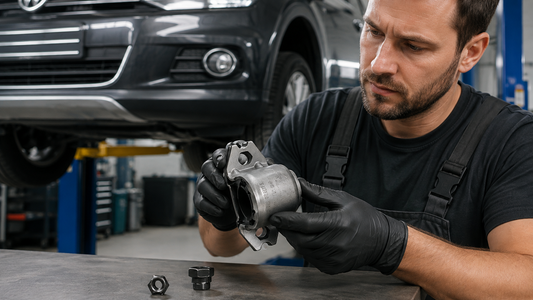
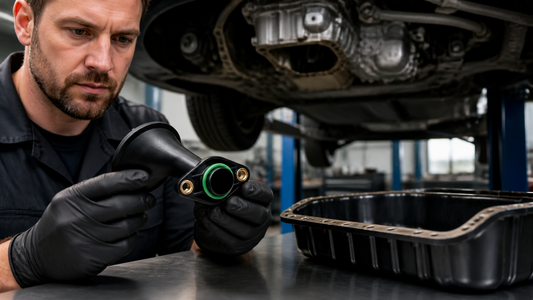
When you buy parts for a repair, you want them to fit perfectly and work every time. Partly Works offers OEM-style replacement components. They match OE specifications for consistent fit, form, and function.

How OE specifications translate into consistent fit, form, and function
OE specifications are more than just measurements. They cover materials, dimensions, and performance targets. These affect how a part behaves under different conditions.
Following these specs ensures direct-fit engine components work as they should. This helps sensors read correctly and fasteners torque down properly.
Why a documented quality control system supports automotive-grade reliability
IATF 16949:2016 emphasizes a production mindset. It includes planning, product development, and manufacturing process control. For Partly Works, a documented quality control system keeps builds consistent.
Having a documented system helps spot issues early. This structure supports automotive-grade reliability by reducing variables in the process.
Strictly tested OEM alternatives vs. generic parts with inconsistent process controls
OEM alternatives are tested against strict criteria. IATF-aligned controls help identify and address manufacturing risks. This ensures quality and reliability.
Generic parts, on the other hand, come from inconsistent process controls. This can lead to variations in performance and quality.
Where direct-fit installation reduces rework and helps quality-assured vehicle repairs
Direct-fit installation is key when time is of the essence. Parts made to stable specs tend to fit better, reducing the need for adjustments. This minimizes the chance of leaks or repeat diagnostics.
- Less rework when mounting points and clearances match the vehicle
- Cleaner troubleshooting because the part’s baseline performance is predictable
- Stronger consistency for quality-assured vehicle repairs, even on repeat jobs
Precision engineering standards that support reliable engine performance
When an engine part is made right, you can feel it. Precision engineering keeps shapes, surfaces, and seals consistent. This supports steady engine performance after repairs.
This focus on quality also ensures reliable engine performance over time. It's the difference between a quick fix and a lasting repair.
Precision engineering standards that protect airflow efficiency in the engine intake system
The engine intake system needs clean geometry for smooth airflow. Small casting shifts or rough edges can disrupt this. This can change how the engine breathes.
With precision engineering, airflow stays true to design. This reduces turbulence and improves fueling signals. It also makes the engine more responsive after repairs.
How tight tolerances can improve throttle response and support engine performance restoration
Tight tolerances ensure parts fit consistently, improving throttle response. This makes the engine more direct and consistent.
This consistency is key for restoring engine performance. It removes variables that can affect air measurement and idle control. Small mismatches can add up to big problems.
Reducing variation to help prevent troubleshooting engine power loss after repair
Variation can make repairs feel unfinished. If parts vary, the vehicle can behave differently. This can lead to troubleshooting engine power loss later.
Standards that control process aim to reduce variation. This means fewer surprises like hesitation or uneven pull. It also reduces intermittent fault codes tied to airflow changes.
Why process stability matters for long service life and long-term durability
Stable processes mean stable parts. Tools like SPC and MSA ensure measurements are trustworthy. This supports long service life.
When surfaces and edges repeat with less drift, wear patterns are more predictable. This supports long-term durability. It reduces the chance of premature looseness or heat-related distortion.
How Partly Works manufactures OEM-style replacements with advanced manufacturing technology
Partly Works focuses on making OEM-style replacements that fit perfectly and work well. They use advanced technology to ensure every step is done the same way. This includes checking raw materials and inspecting the final product.
With over 20 years of experience, Partly Works sticks to OE specifications. They aim to make parts that fit right away, with fewer surprises.
Their state-of-the-art facility uses many processes to ensure stable output. CNC systems help control important dimensions. CNC machining makes sure surfaces and sealing features are just right for engine parts.
For parts with sharp details or hard materials, EDM is used. Injection molding is for making lots of parts with the same look and feel. Both methods are checked closely during production.
- Process controls that track key measurements and reduce variation across runs
- Machine performance monitoring to keep cycles, feeds, and temperatures within spec
- Documented handling to protect parts from mix-ups, damage, or drift during production
This careful approach ensures engine components fit perfectly. It also meets high standards for production, where every detail is managed.
Over 50 countries trust Partly Works as a reliable partner. Their consistent method of making parts meets professional expectations without sacrificing quality.
From planning to corrective action: how an IATF-aligned quality control system reduces risk
A strong quality control system starts long before the first part is made. It links planning, product design, and day-to-day shop decisions. This way, issues are caught early, not after shipments go out.
End-to-end coverage across planning, product development, and manufacturing process control
IATF 16949:2016 pushes teams to manage risk from concept to launch. It requires clear gates and reviews. For IATF 16949 certified auto parts, this means tighter alignment between design and production.
Tools like APQP, PPAP, FMEA, MSA, and SPC support manufacturing control. They map risks, prove capability, and keep measurements trustworthy.
Machine performance monitoring and controlled production for repeatable results
In a controlled line, operators follow defined settings and checks. This reduces guesswork. Machine performance monitoring spots issues before they turn into scrap.
When the process stays stable, parts are reliable and well-built. This is true across shifts, lots, and suppliers.
Corrective action and continual improvement to keep defects from returning
When a defect appears, the goal is to stop it from coming back. A solid corrective action routine finds the root cause and removes it. It verifies results through follow-up checks and trend reviews.
This is where continual improvement becomes practical. It leads to fewer repeat issues, less variation, and smoother production flow over time.
Documented information and engineering specifications to keep builds consistent over time
Consistency depends on documented information that people can trust. This includes record retention for inspections, test results, and process changes. Clear engineering specifications also keep materials, dimensions, and performance targets stable when volumes rise or staffing changes.
IATF certification is governed by certification rules. Certificates are valid for three years and must be confirmed annually. An IATF-certified auditor from an IATF-recognized certification body must confirm this, with recertification at the end of the three-year period.
Cost-effective repair solutions without sacrificing automotive-grade reliability
Drivers look for affordable fixes, but they also want their cars to stay reliable. This is critical when repairs affect airflow, sensors, or engine performance. The best savings come from parts that ensure the car works well from the start.
Using OEM-style replacement components built to OE specifications can be a smart choice. These parts are made under a system that focuses on quality and improvement. This means your car will run smoothly every day.
Choosing the right parts is not just about saving money; it's about avoiding headaches. With parts made to OE specifications, installation is easier and less likely to need adjustments. This keeps your engine running well and your car reliable for a long time.
For those looking for a balance between cost and quality, Partly Works offers a good option. With over 20 years of experience and a focus on quality, they provide IATF 16949 certified parts. This ensures your car gets cost-effective repairs without sacrificing reliability.